
Menu
NEWS & INSIGHTSPROTECTING THE SUPPLY CHAIN TO PROTECT QUALITY
Protecting the supply chain to protect quality
By Luke Riley, Director, Cognisant Construction
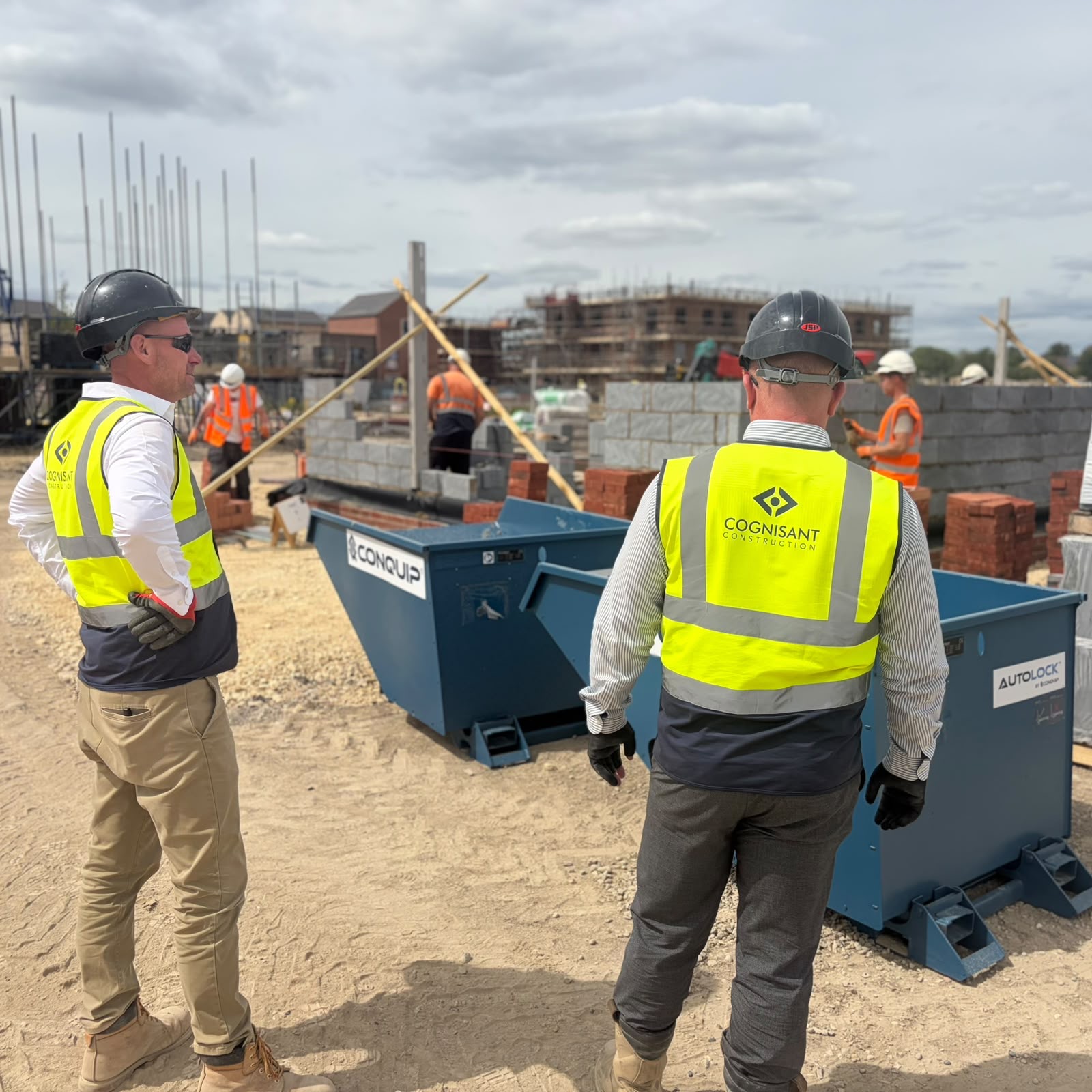
The construction industry has a habit of treating subcontractor payment as a lever to pull when things get tight. Late payments, extended terms and last-minute scope reductions are so embedded in the way the sector treats subcontractors that most people in it have stopped questioning whether these practices should be challenged. They should. The link between how subcontractors are paid and the quality of what gets built is direct and largely ignored. When a main contractor has a problem project, one where costs have overrun, where the original price was too keen or where unforeseen issues have eaten into the margin — the money has to come from somewhere. In a large amount of cases it comes from the other projects. Payments to subcontractors get delayed. Prices get chipped. The people doing the work start cutting time wherever they can, because they are no longer making enough on the job to do it properly. The result is poor quality, and the end user pays for it, usually long after practical completion. This is not a hypothetical theory. It is the normal operating condition of a sector where contractor insolvency is common, payment terms routinely run to 90 days and the gap between what a subcontractor is owed and what they actually receive is wide enough to threaten the viability of their own business. The supply chain is under persistent financial stress, and that stress flows directly into the quality of the finished product. The problem is structural. Under a typical design and build contract, the client has no visibility on where their money goes once it leaves their account. They cannot see which subcontractors have been paid, which are waiting, or which have been quietly squeezed to cover a shortfall on another project entirely. By the time the consequences show up in defects, in rushed finishes, in a subcontractor who has simply stopped caring because the margin has gone, it is too late to do much about it. A different approach At Cognisant, we think the supply chain deserves better than that, and so do our clients. Every project we run operates under a project bank account. This is a ring-fenced fund held in trust, separate from our own accounts, with the client as a dual signatory on every payment that goes out. Subcontractors know exactly when they are going to be paid and can see the money is there. If anything were to happen to us as a business, their money is protected. It cannot be used to plug a gap somewhere else because it was never ours to use in the first place. We also pay in 30 days. Not 60, not 90. Thirty days, and we mean it. That matters more than it might sound. A subcontractor who knows they are going to be paid on time, at the price agreed, without having to chase or negotiate, is a subcontractor who can plan their own business properly, put the right people on the job and do it to the standard it deserves. That is how you get quality. Not by threatening people, not by holding retentions indefinitely, but by making it commercially worthwhile for the people doing the work to do it well. Our view is straightforward. Everyone in the supply chain should make a healthy profit, because that is what is good for the client and our sector in the long run. A subcontractor being squeezed to the bone on price is going to find ways to recover that margin, and none of them are good for the finished building. A subcontractor who is well paid, paid on time and treated as a long-term partner is going to bring their best people, hold their price and stand behind their work. The sector has known this for years. The project bank account has sat in the JCT suite of contracts largely unused for the same period. The payment practices that damage the supply chain are well documented and widely understood. What has been missing is contractors who are actually prepared to do things differently. Protecting the supply chain is not a gesture. It is the foundation that quality gets built on.
Partner with a team that delivers — contact us today.
For any enquiries, questions, or collaborations, feel free to reach out to us at 01223 631555 or simply fill out the form below.