
Menu
NEWS & INSIGHTSTHE TRANSPARENCY PROBLEM IN UK CONSTRUCTION
The transparency problem in UK construction
By Daniel Wild, Director, Cognisant Construction
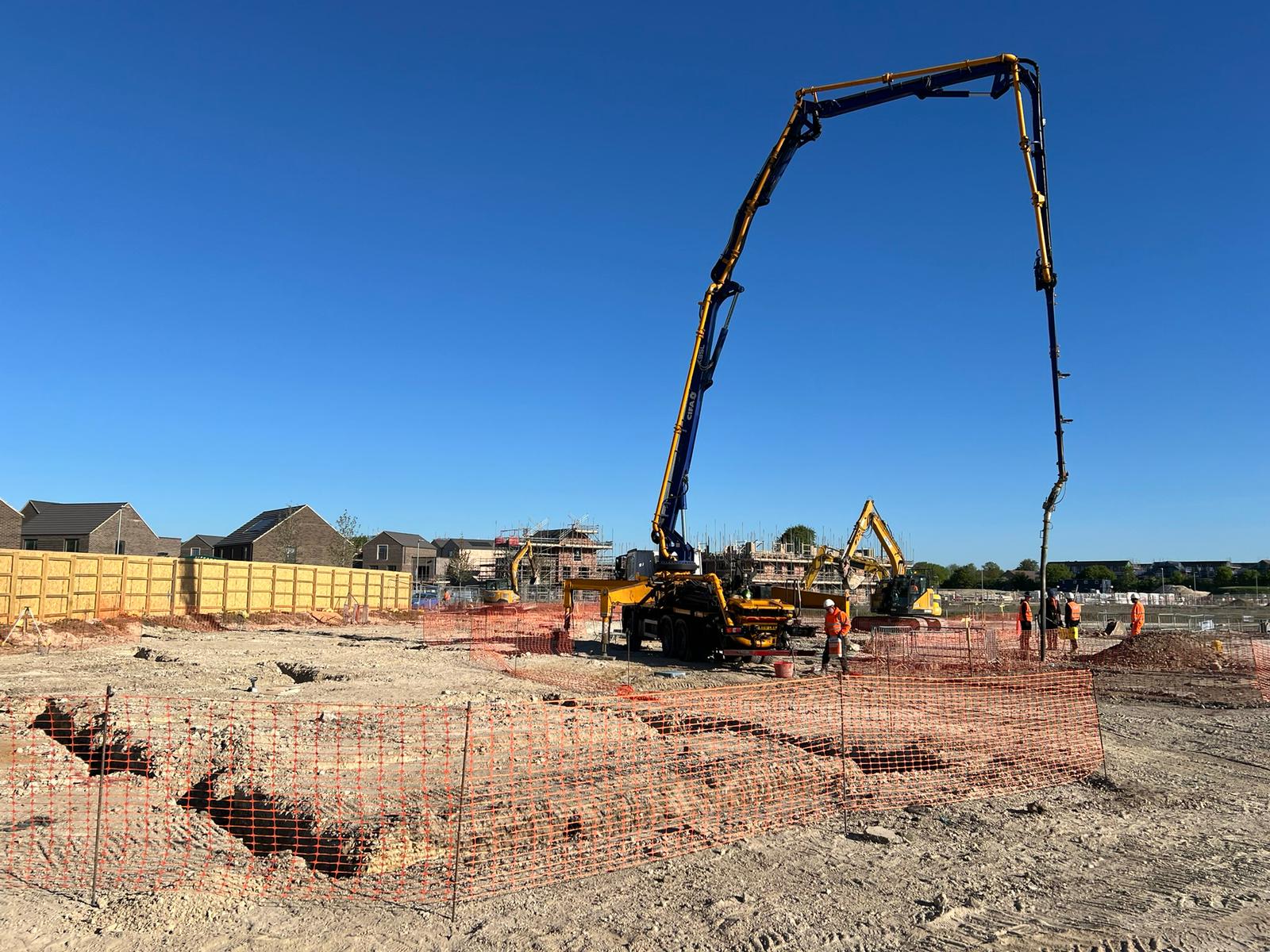
Management contracting promises open-book accountability. In practice, the book most contractors show clients is the one they want them to see, not the one that actually exists. Costs creep up, margins stay hidden inside rates, and by the time a project is in trouble it's usually too late to act. With persistent pressure around late payments, retentions and contractor insolvency, the sector continues to operate with far less financial visibility than clients are led to believe.
Having spent most of my career on the client side, I know how partnering is supposed to work and how often it doesn't. Costs go up, the contractor still makes its margin, and the client is no closer to seeing where the money went. The ‘fixed price’ that design and build was supposed to deliver isn't really fixed either. Clients spend hundreds of thousands putting tender packages together just to get a number, and that number still moves once the contract is signed. A lot of this comes down to how main contractors juggle multiple projects. Two jobs are healthy, a third has gone wrong and the margin has disappeared. A contractor can't operate without profit, so money intended for the healthy projects starts propping up the problem one. Clients on those projects have no idea this is happening. What they see is QSs suddenly getting harder on subcontractors, payments slowing, and variations appearing that didn't seem necessary a month ago. The subcontractors get squeezed, the work suffers, and the client ends up paying for someone else's problem. Building in transparency from the start- We built our model to close that gap. At Cognisant, every project sits under a fixed management fee, agreed up front, for the team and expertise required. That fee doesn't move depending on subcontractor pricing, so there's no incentive to manage that process in anything other than the client's interest. Every package goes out to a properly tested market, and the client sees all of it: every quote, who it went to, why. If one quote comes in at a pound and another at a pound twenty, the client sees both. There's no hidden margin because there isn't a margin to hide.
Alongside that, every project runs through a project bank account, sitting outside our own banking, with the client given full visibility. When a subcontractor is due payment, we submit a request, the client approves it, and the money moves from an account they can see into the account of the business doing the work. If we ran into financial difficulty, the funds in that account are protected and subcontractors get paid regardless. It's not a new idea, it's been in the JCT (Joint Contracts Tribunal) suite for years. It's just rarely used, because most contractors don't want that level of visibility into their own cash flow. Proof in practice- The first real test of this approach was a project that, on paper, wasn't going to happen. The numbers coming back under a standard design and build procurement made the project unviable. We tested the market ourselves, ran the same rigorous process we apply to every package, and brought the cost down considerably, including our fee. That wasn't about cutting corners. It was about removing the layers of hidden margin and inefficiency that build up in a conventional procurement chain, and showing the client exactly how the saving was made. Transparency on its own doesn't make a project work. What it does is let everyone see where the money is going, so decisions get made on what's actually happening rather than what a monthly report says. Clients are asking harder questions about cost certainty and risk throughout a project, not just at the start. Giving them a model where they can see the answers for themselves is one of the more straightforward ways the industry can rebuild that trust.
Partner with a team that delivers — contact us today.
For any enquiries, questions, or collaborations, feel free to reach out to us at 01223 631555 or simply fill out the form below.